
Industry Insights
Industry Insights for B2B Buyers
Explore practical guidance for procurement teams, distributors, retailers, and institutional buyers. This page focuses on sourcing discipline, cold chain coordination, packaging standards, freight planning, and the operational checks that support reliable bulk supply across India.
Quick Actions
Browse sourcing topics, compare operational priorities, and connect with our team for bulk planning support.
Procurement Focus
10+ Years
APMC mandi experience guiding sourcing, grading, and dispatch decisions.
Coverage
Pan-India
Support for wholesale buyers across regional hubs, delivery routes, and bulk planning cycles.
Buyer Value
Operational Clarity
Short, practical guidance for retailers, distributors, horeca teams, and institutional buyers.
Featured Topics
Topics That Matter to B2B Buyers
Bulky Business shares concise, operations-focused guidance for wholesale buyers who need dependable sourcing, storage, and delivery decisions. Each section is designed for faster scanning, clearer comparisons, and stronger procurement planning across desktop and mobile.
Supply Chain
Food Supply Chain Planning
A strong food supply chain depends on supplier consistency, mandi access, packaging discipline, and route planning that protects freshness and margins. Buyers evaluating vendors should review cold chain readiness, dispatch windows, packaging controls, and how efficiently loads move through regional hubs.
Dry Fruits
Dry Fruits Business Operations
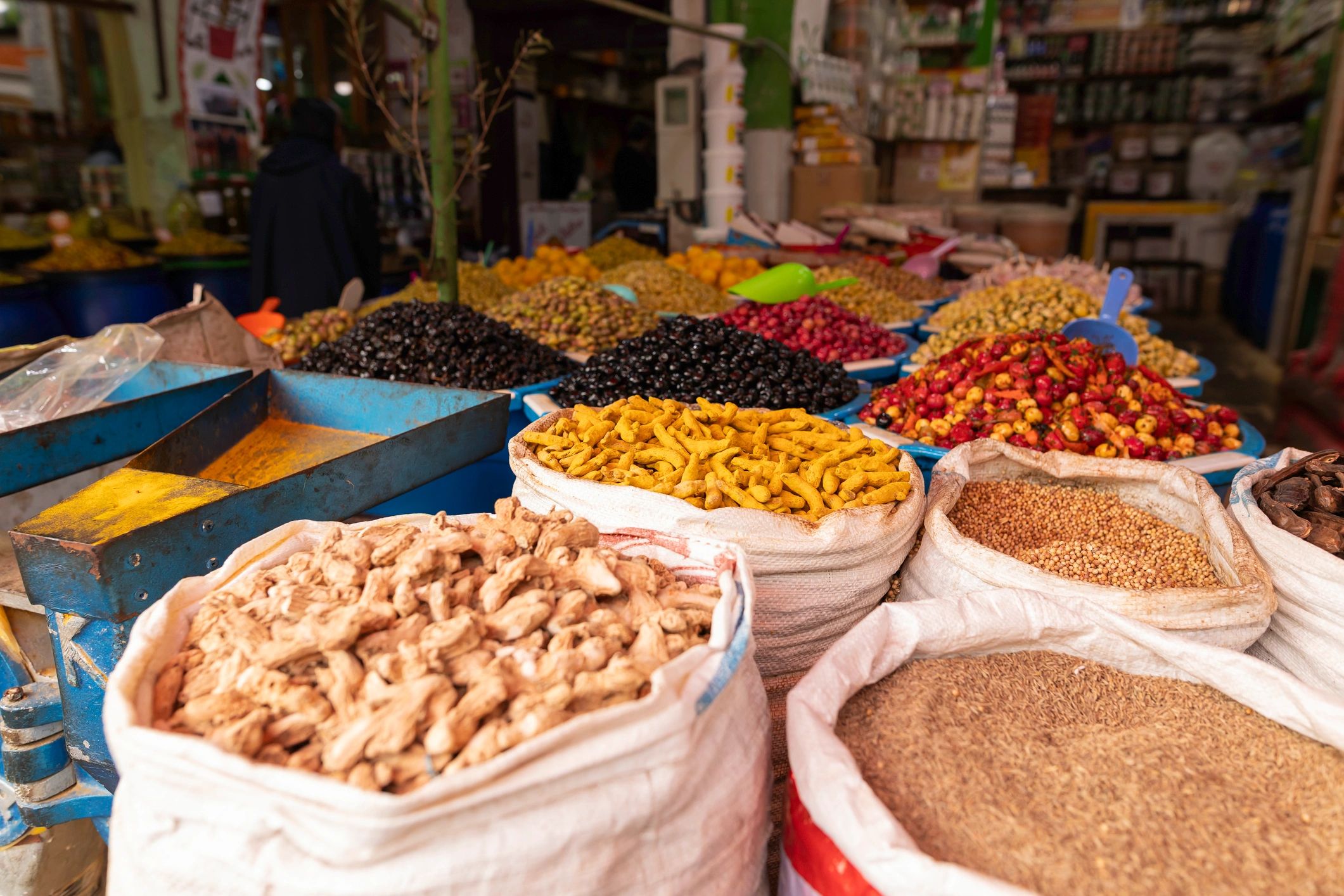
The dry fruits business requires attention to grading, moisture control, shelf life, and packaging formats that suit wholesale movement. B2B buyers often compare carton strength, sack options, batch consistency, and replenishment reliability before placing repeat orders.
Logistics
Procurement and Freight Execution
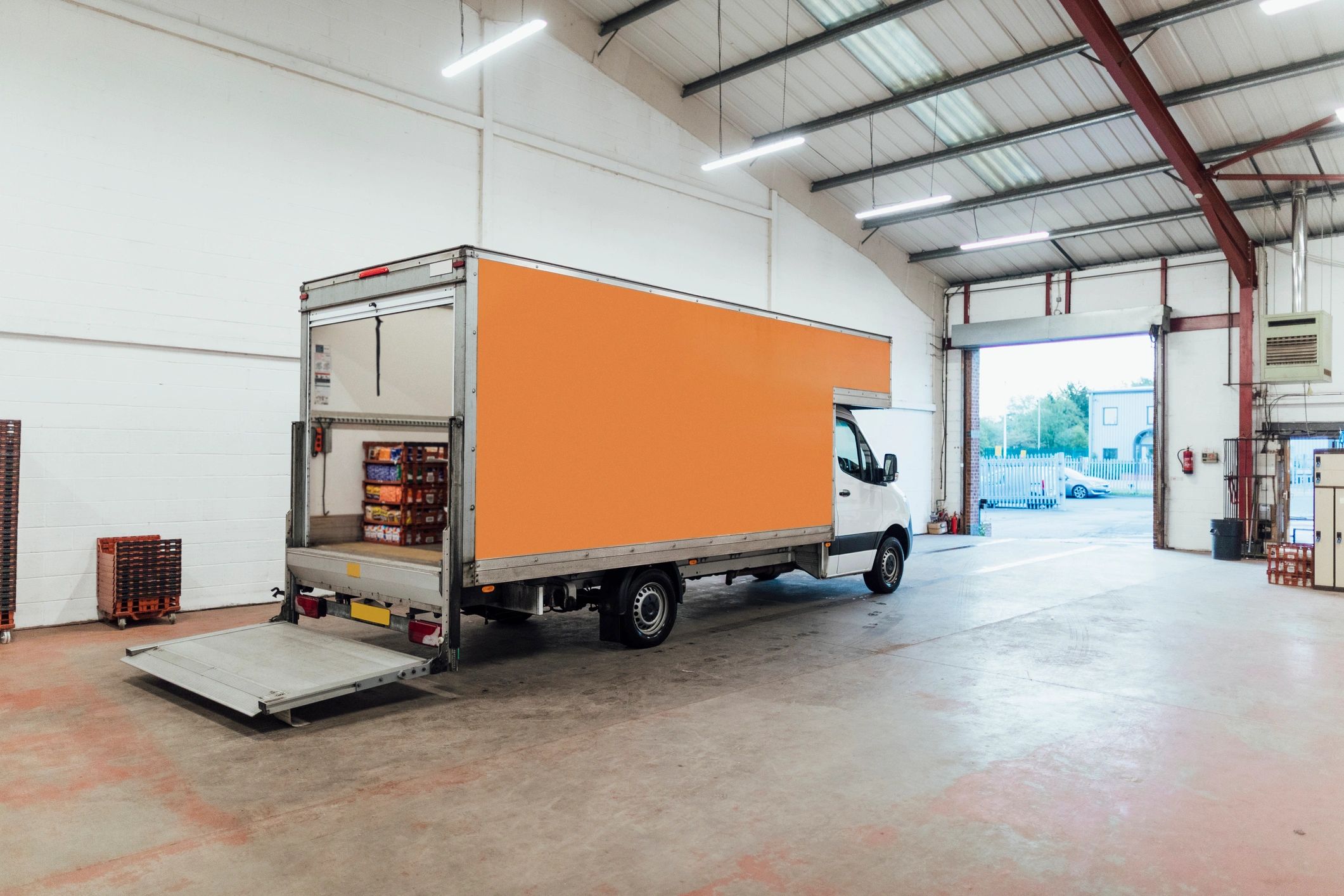
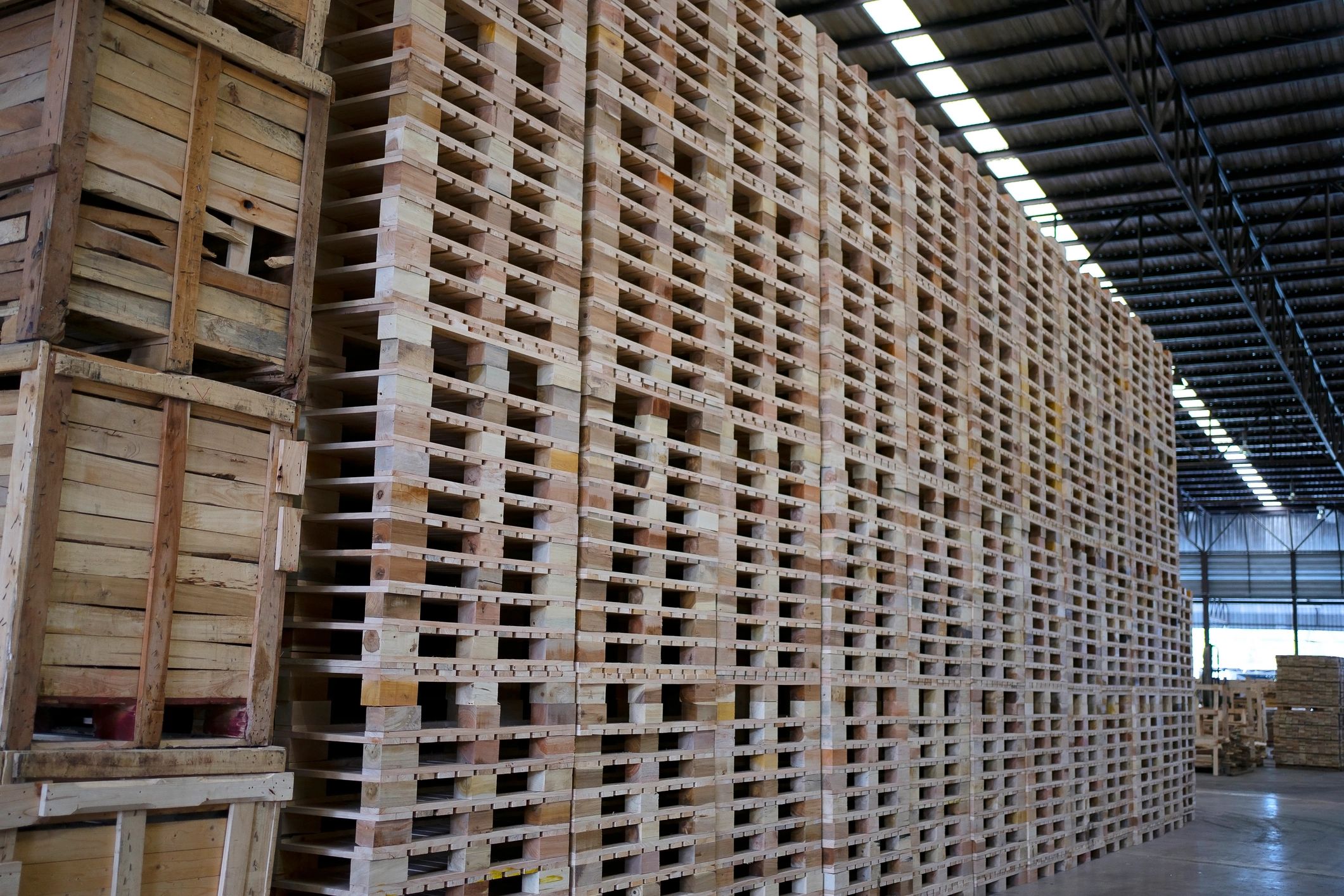
Procurement decisions affect landed cost as much as freight selection. Businesses moving produce and grocery lines across India need clear dispatch planning, realistic transit expectations, and packaging that matches handling conditions across warehouses, reefer vehicles, and last-mile delivery networks.