Industry Insights

Food supply chains connect farms, mandis, processors, warehouses, transporters, and B2B buyers through sourcing, grading, storage, dispatch, and delivery. In the dry fruits business, procurement quality, moisture control, packaging discipline, and reliable logistics directly shape shelf life, landed cost, and repeat orders. The sections below explain the operational factors buyers and suppliers monitor most closely.

Bulk goods transport truck supporting agricultural supply chains

Key Topics

This page brings together practical insights for wholesale buyers, distributors, and sourcing teams evaluating agricultural supply, dry fruits, and market movement.

Agricultural logistics truck on highway

Mandi sourcing and routing

How the food supply chain works

A typical food supply chain starts with farm-direct or mandi sourcing, followed by sorting, grading, packing, storage, dispatch planning, transport, and final delivery. Each step affects freshness, transit loss, lead time, and landed cost for B2B buyers.

Source reliability

Cold-chain handling

Delivery planning

Quality control in the dry fruits business

Dry fruits business procurement basics

The dry fruits trade depends on stable procurement, quality checks, moisture-safe storage, packaging standards, and price awareness across seasons. Wholesale buyers usually compare grade consistency, breakage levels, shelf life, and logistics efficiency before placing repeat orders.

Grade consistency

Storage control

Bulk packaging

Assorted dry fruits displayed for wholesale trade
Bulk transport supporting produce distribution

B2B freight and cold chain checks

Procurement, cold chain, and FTL/LTL freight

Procurement teams track availability, origin, transit time, handling standards, and supplier responsiveness. For perishable and semi-perishable categories, dependable communication and dispatch accuracy are as important as price.

Availability

Transit time

Supplier response

Need sourcing support for produce, dry fruits, pulses, or spices? Contact Bulky Business for bulk supply discussions, logistics planning, and quote requests.

Get Bulk Quote

bulkybussiness@gmail.com

9015316162, 9459998

Kalli Mitti, Narkanda, Shimla, HP 171213

Industry Insights for Food Supply Chains

Food supply chain planning and dry fruits business growth depend on reliable procurement, cold chain coordination, and freight execution across sourcing, storage, and delivery. This page gives B2B buyers and distributors practical insights on mandi sourcing, packaging, FTL/LTL freight, and bulk supply operations in India.

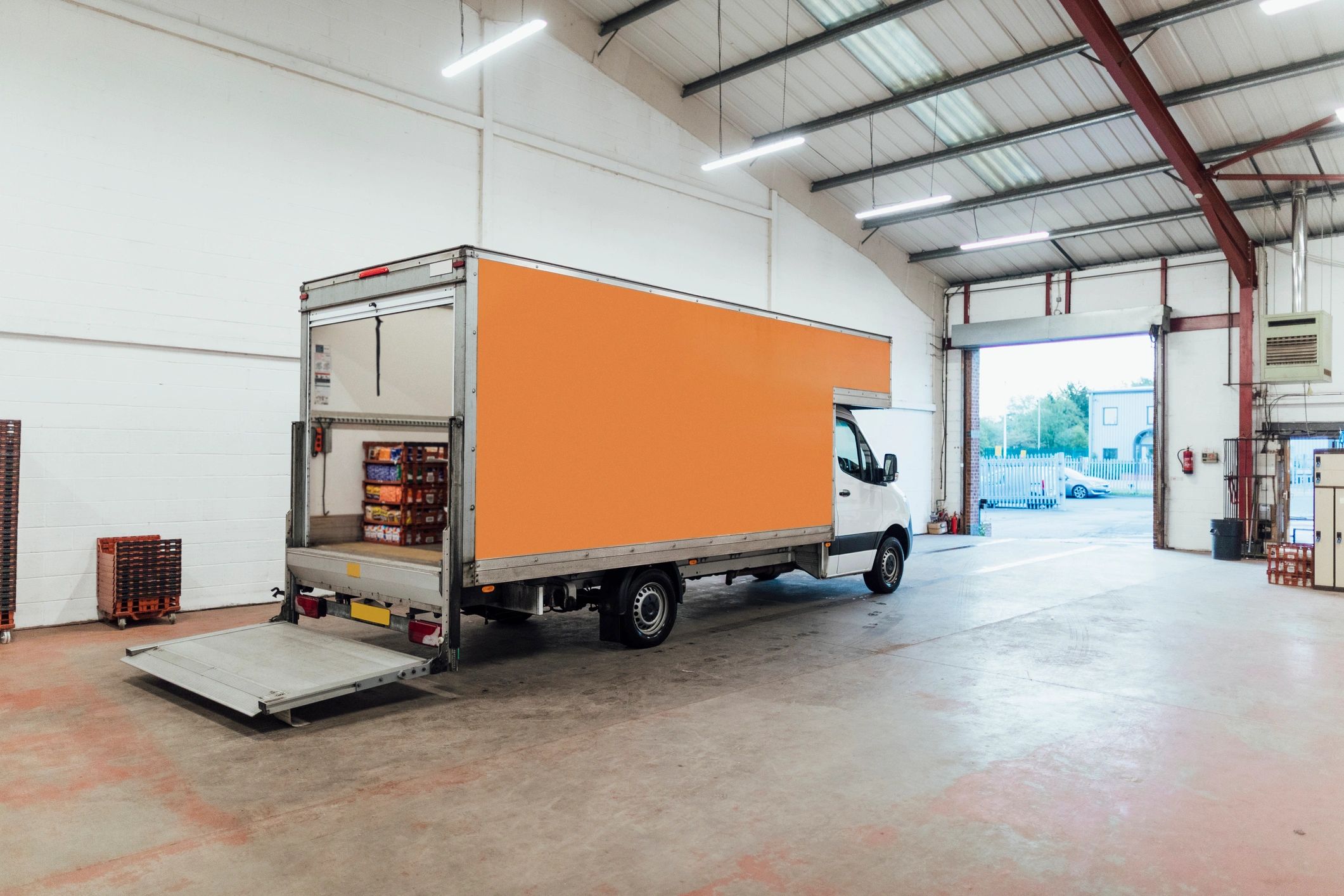
Distribution truck inside a warehouse supporting food supply chain operations

Topics That Matter to B2B Buyers

Bulky Business shares practical guidance for procurement teams, wholesalers, retailers, and institutional buyers who need dependable sourcing, storage, and delivery decisions. Each topic is written to help buyers understand how wholesale fruit, seasonal vegetables, dry fruits, pulses, and spices move through real supply networks.

Warehouse truck and loading area for food supply chain planning
Supply Chain

Food Supply Chain Planning

A strong food supply chain depends on supplier consistency, mandi access, packaging discipline, and route planning that protects freshness and margins. Buyers evaluating vendors should look at cold chain readiness, dispatch windows, and how quickly loads can move through regional hubs.

Cold chain checkpoints

Procurement from mandis

FTL and LTL routing

Dry Fruits

Dry Fruits Business Operations

The dry fruits business requires attention to grading, moisture control, shelf life, and packaging formats that suit wholesale movement. B2B buyers often compare carton strength, sack options, and batch consistency before placing repeat orders for retail, horeca, or distribution.

Moisture-safe packing

Wholesale grade sorting

Repeat order planning

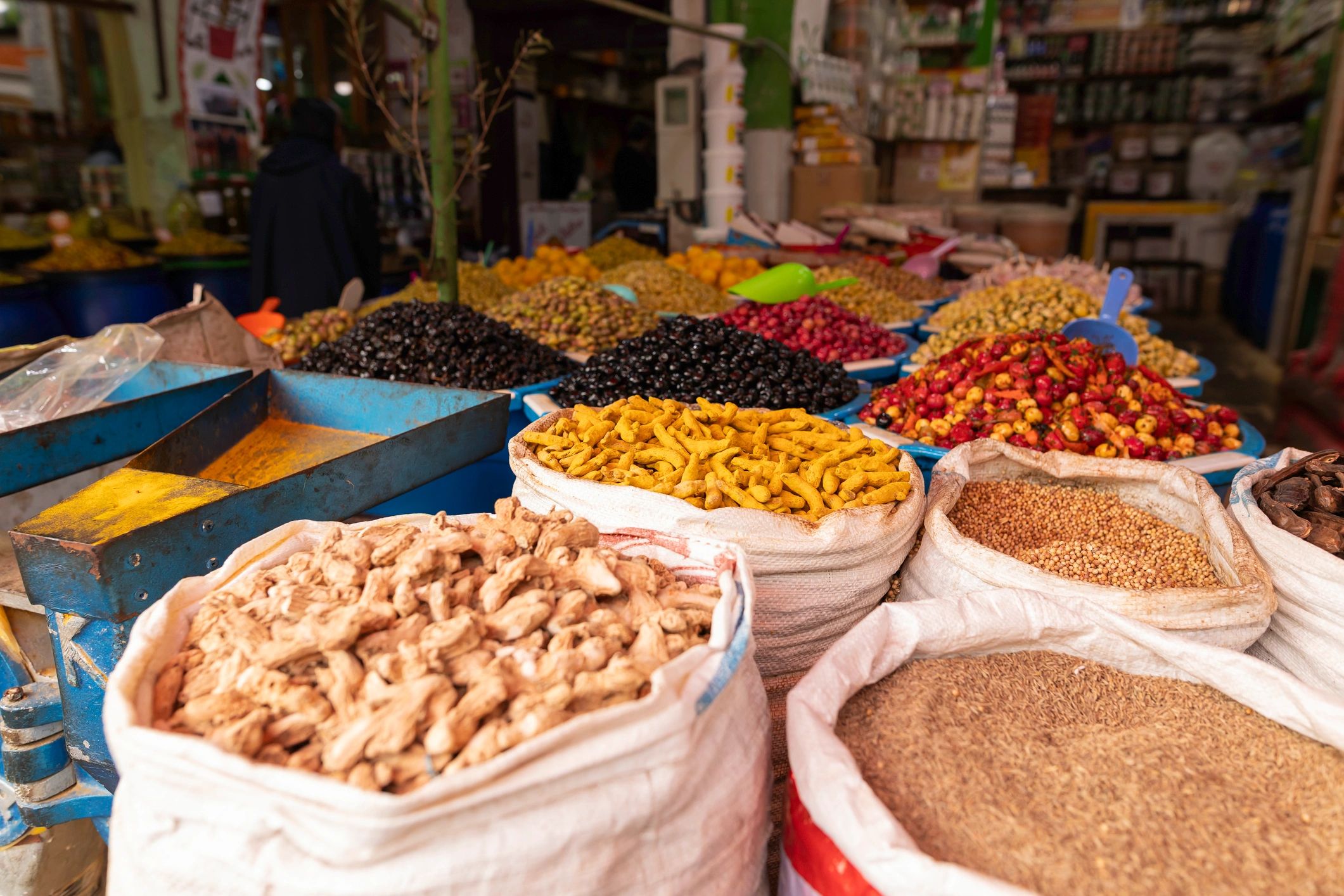
Bulk dry goods and sacks representing dry fruits and wholesale packaging
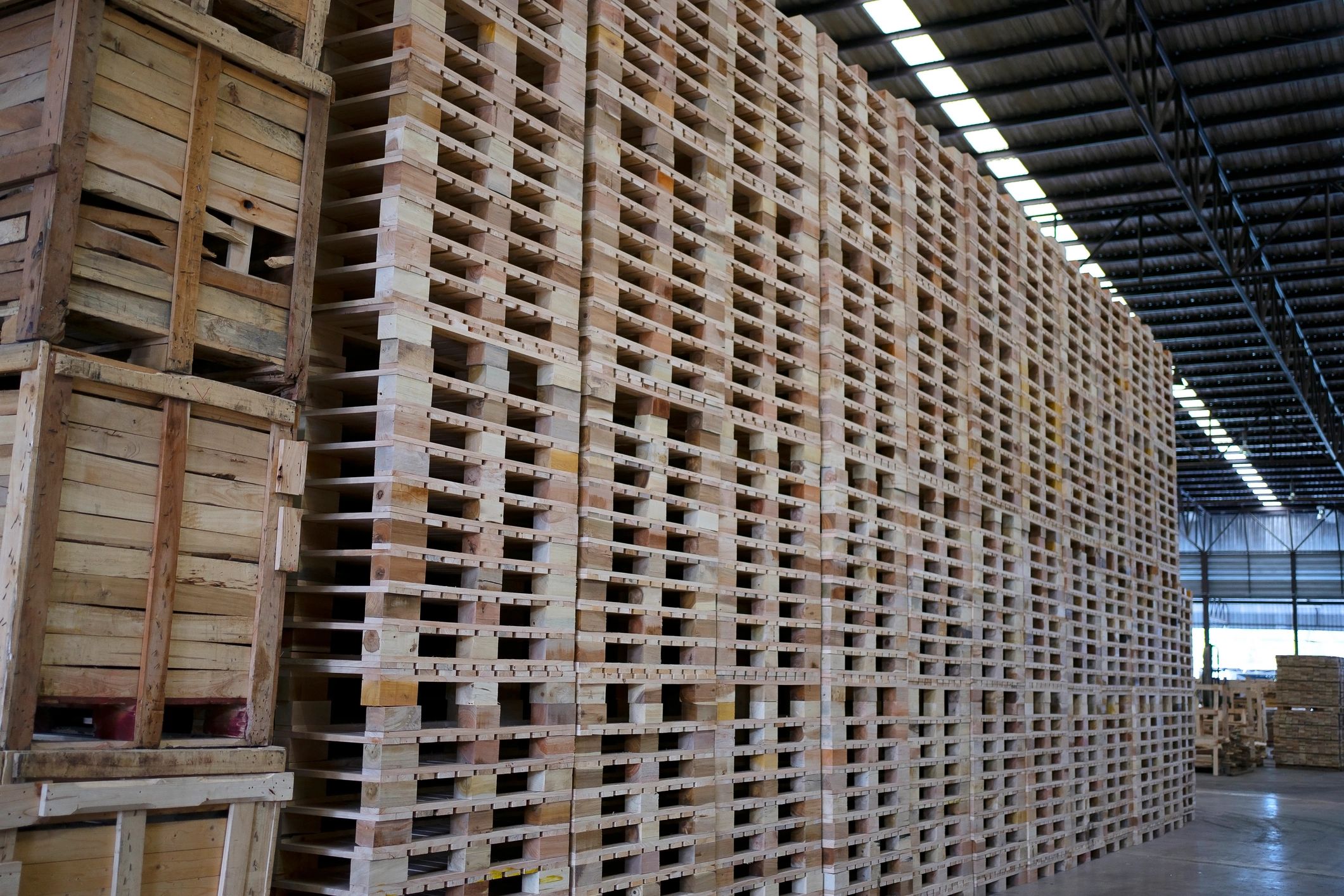
Pallet handling and freight preparation for wholesale dispatch
Logistics

Procurement and Freight Execution

Procurement decisions affect landed cost as much as freight selection. Businesses moving produce and grocery lines across India need clear dispatch planning, realistic transit expectations, and packaging that matches handling conditions across warehouses, reefer vehicles, and last-mile delivery.

Dispatch slot planning

Warehouse handling

Pan-India delivery coverage