
Chandigarh Supply
Bulk Vegetable Delivery in Chandigarh
Bulky Business supplies wholesale vegetables to retailers, hotels, caterers, cloud kitchens, institutions, and distributors across Chandigarh. We support mandi-linked sourcing, practical MOQ planning, packaging selection, and dependable FTL or LTL freight movement for repeat B2B replenishment.
Built for Chandigarh buyers
This page is structured for commercial procurement teams rather than retail shoppers. Typical MOQ starts from 100 to 200 kg for mixed routed orders, while larger replenishment cycles commonly move from 500 kg to 2 MT or more depending on commodity mix, seasonality, and unloading conditions. Transit planning is aligned to freshness risk, receiving windows, and route economics.
Local Market
Commercial supply details
We support structured vegetable procurement for Chandigarh buyers who need repeatable quality, clear dispatch timing, and practical freight planning. Supply can be aligned to daily, alternate-day, or scheduled weekly movement based on demand cycles, storage capacity, and receiving hours.
MOQ and order planning
Indicative MOQ starts from 100 to 200 kg for mixed city orders, while route-efficient bulk dispatches generally move from 500 kg to 2 MT or more. High-volume staples such as potato, onion, tomato, cabbage, cauliflower, and leafy assortments are planned around mandi arrivals and buyer forecasts.
Packaging formats
Packaging options include plastic crates for circulation-ready handling, mesh bags for onions and potatoes, corrugated cartons for cleaner presentation, and woven sacks for durable movement. Packaging is matched to commodity sensitivity, stacking pattern, and receiving dock conditions.
Transit and cold chain
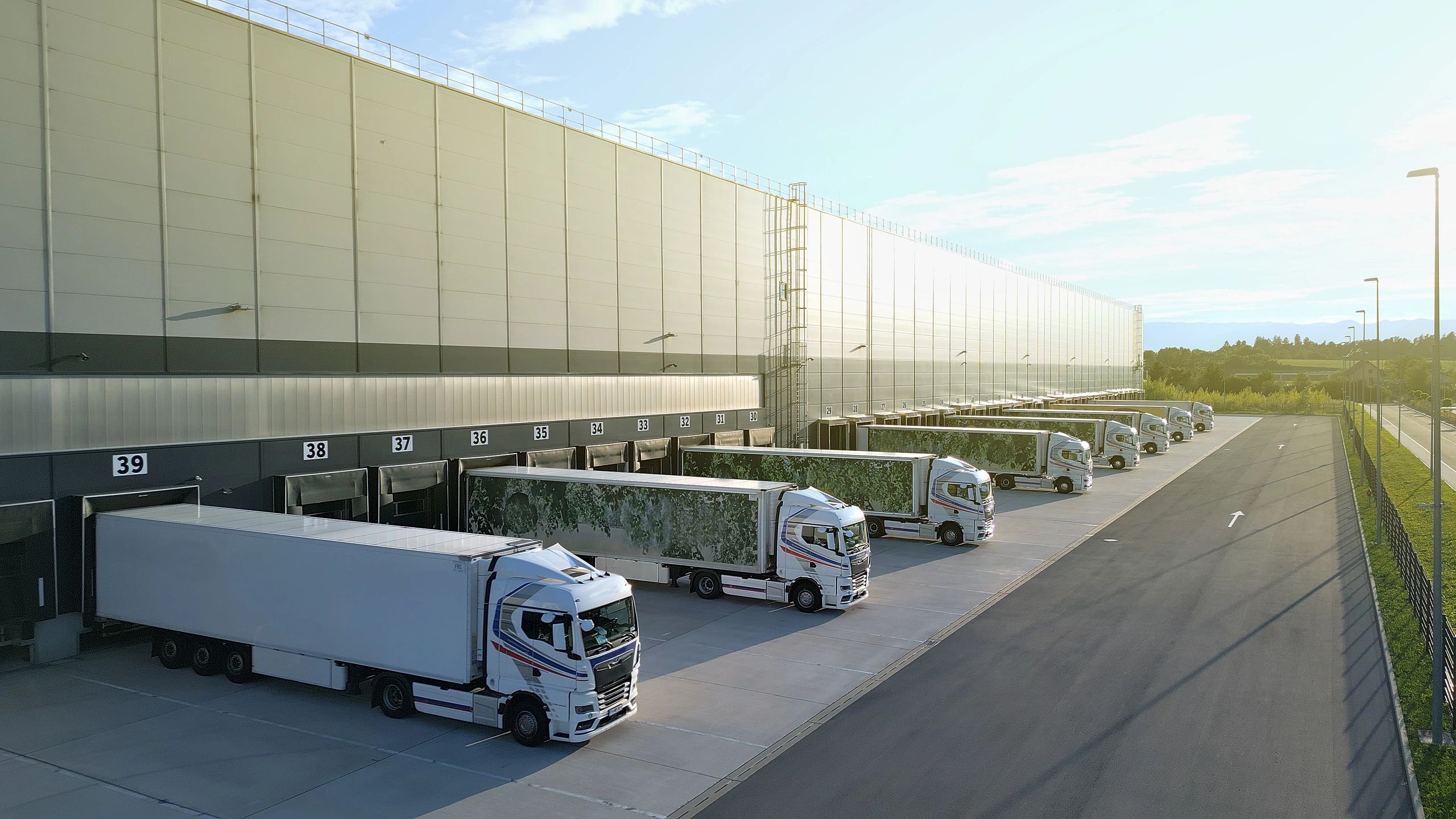
Transit into Chandigarh commonly ranges from same day to next day for nearby aggregation points and 24 to 48 hours for scheduled intercity replenishment. For temperature-sensitive vegetables, dispatch can be routed through pre-cooled staging, insulated handling, and reefer-supported movement to reduce shrinkage.
FTL and LTL freight
Dedicated FTL works well for larger replenishment cycles and seasonal stocking, while LTL supports smaller but regular procurement programs where buyers need controlled inventory flow without waiting to build a full vehicle load.
Operations
How delivery is managed
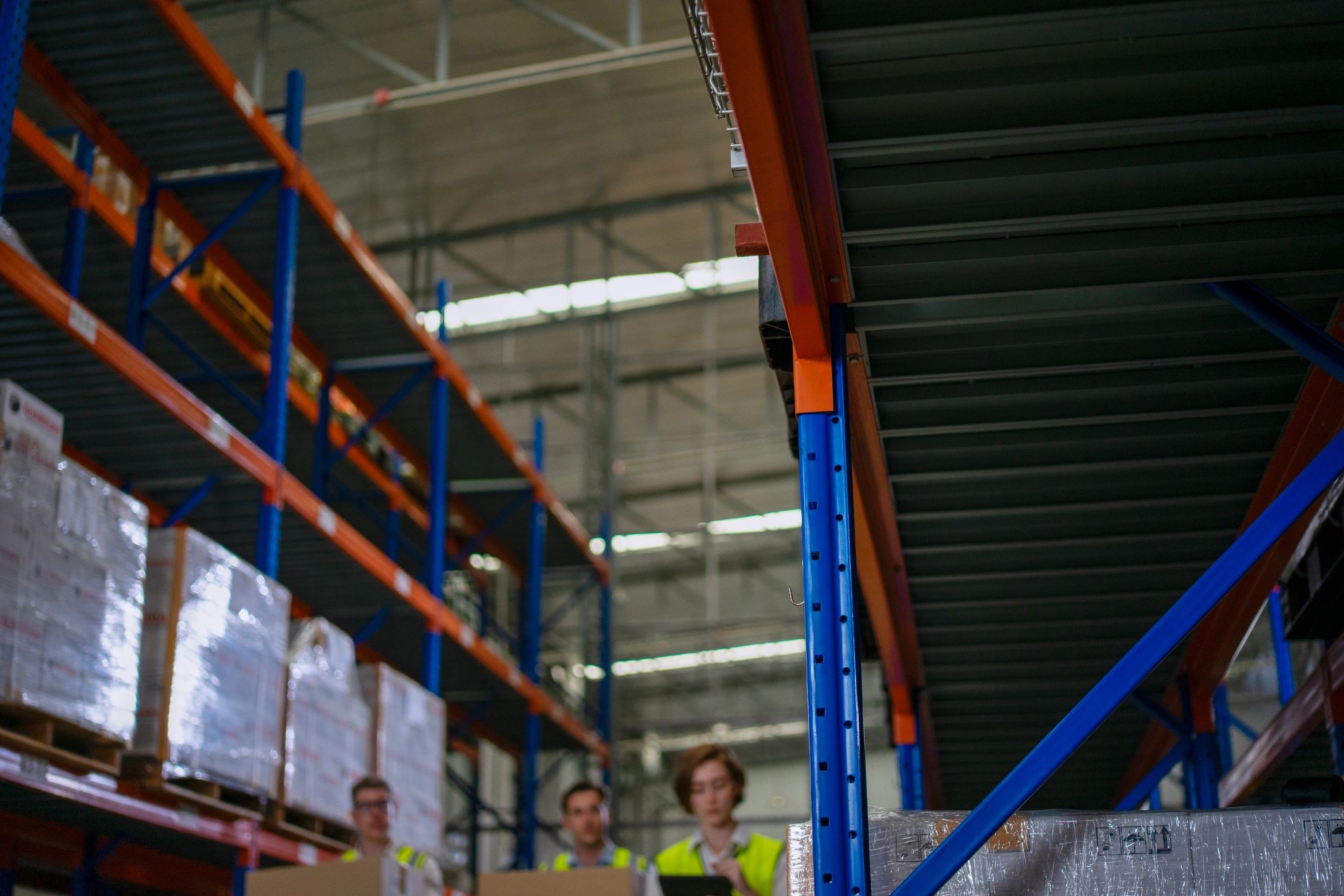
Bulk vegetable delivery into Chandigarh is managed through a practical chain of sourcing, grading, dispatch, and receiving coordination. The focus is on maintaining movement discipline from procurement point to buyer dock, not on consumer-style doorstep delivery.
Procurement and mandi linkage
Sourcing is aligned with farm-direct supply and primary mandi procurement so buyers can access broader availability across staple and seasonal lines. This helps maintain continuity when one source market tightens or prices shift.
Dispatch and receiving control
Loads are packed against order sheets, vehicle type, and unloading conditions at the destination. Buyers can align dispatch windows with warehouse intake, kitchen prep cycles, or morning mandi replacement demand.
Cold chain and mandi sourcing for Chandigarh
Bulky Business sources through farmers, primary markets, and mandi channels to maintain continuity across seasonal and staple vegetable categories. This gives Chandigarh buyers access to practical procurement options instead of one-size-fits-all supply.
Loads are planned around freshness risk, unloading speed, and freight economics. Buyers can choose crate-based replenishment for frequent movement, sack-based dispatch for hardy commodities, or mixed packaging for multi-category orders moving through LTL or dedicated FTL lanes.
How Chandigarh bulk orders move
Our delivery process is structured for B2B buyers who need fewer surprises and faster internal coordination. Each stage is designed to support procurement teams, store managers, and commercial kitchens handling recurring volume.
01
Requirement intake
Share product list, estimated tonnage, preferred packaging, and delivery slot. We review MOQ fit, route feasibility, and whether the order is better suited to LTL consolidation or a dedicated vehicle.
02
Sourcing and grading
Vegetables are sourced against availability, seasonality, and mandi movement. Sorting and grading are aligned to the buyer’s use case, whether resale, kitchen prep, or institutional consumption.
03
Packing and freight allocation
The load is packed in crates, sacks, or cartons and assigned to the right freight mode. Dedicated FTL is preferred for larger replenishment cycles, while LTL works for mixed-volume recurring orders.
04
Delivery and repeat scheduling
After unloading, repeat schedules can be mapped by day, week, or seasonal demand cycle. This helps reduce emergency buying and improves procurement predictability for Chandigarh operations.