
- Ethylene is made via methionine, SAM and ACC; ACC oxidase needs O2.
- Low O2 and high CO2 cut ethylene output and action, not to zero.
- 1-MCP blocks ethylene receptors; scrubbers remove ethylene in CA rooms.
- Keep apples apart from kiwifruit, greens, carrots and chilling-sensitive lines.
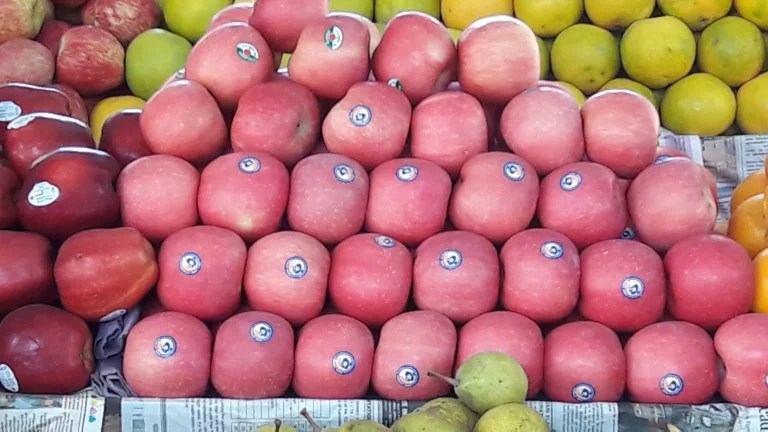
Controlled-atmosphere (CA) storage is often described as low oxygen and high carbon dioxide. For apples held through the winter, though, the real target is ethylene: how much the fruit makes, how much stays in the room, and how strongly the fruit responds to it. This note covers the chemistry behind ethylene control and the practical tools a storage operator or buyer should understand. Storage programmes often start with Kinnaur storage apples.
How fruit makes ethylene
Ethylene is synthesised from the amino acid methionine in three steps:
- Methionine → S-adenosyl-L-methionine (SAM), catalysed by SAM synthetase.
- SAM → 1-aminocyclopropane-1-carboxylic acid (ACC), catalysed by ACC synthase. This is usually the rate-limiting step. The by-product, methylthioadenosine, is recycled back to methionine through the Yang cycle, so the fruit can keep making ethylene without running short of methionine.
- ACC → ethylene, catalysed by ACC oxidase. This step needs molecular oxygen, and carbon dioxide activates the enzyme.
Climacteric fruit such as apples, pears, bananas, tomatoes and mangoes switch from a low basal ethylene output (“System 1”) to an autocatalytic burst (“System 2”), in which ethylene stimulates more ACC synthase and ACC oxidase. Once System 2 is under way, ripening is very hard to stop. Most ethylene control therefore aims to delay that switch or to block the fruit’s response to ethylene.
What low O2 and high CO2 actually do
Low oxygen acts at several points. It slows respiration in general, it reduces ACC oxidase activity because O2 is a substrate, and it lowers the tissue’s sensitivity to ethylene. Elevated CO2 also opposes ethylene action and slows ripening-related changes, although it activates ACC oxidase in vitro. The overall result in a well-run CA room is less ethylene produced and less effect from what is produced, but not zero.
There are limits on both gases. If O2 falls below the fruit’s lower tolerance, respiration turns fermentative and produces ethanol and acetaldehyde, off-flavours and tissue damage. Too much CO2 causes internal browning and cavities in sensitive cultivars. Typical apple CA regimes run at about 1.5–3% O2 and 1–3% CO2 depending on cultivar. Delicious-type apples tolerate low O2 well, and our desk specification for apples is 1.5% O2 / 1.0% CO2, held at about −0.5 to 1 °C and 90–95% RH.
1-MCP: blocking the receptor
1-Methylcyclopropene (1-MCP, sold as SmartFresh among other brands) is a gas that binds ethylene receptors with much higher affinity than ethylene itself. With the receptors occupied, the fruit cannot sense ethylene, even when ethylene is present. It is applied once, usually soon after harvest and after cooling, in a sealed room at a low concentration (often in the region of 1 ppm or below) for about a day, following the product label and local registration.
In apples, 1-MCP slows softening and loss of acidity and suppresses superficial scald, a disorder to which Delicious-type fruit is prone. It works best on fruit harvested at the right maturity. Fruit already in System 2 responds poorly, because new receptors and high internal ethylene overwhelm the treatment. Used together, 1-MCP and CA give better results than either alone.
Removing ethylene from the room
In ordinary cold storage, ventilation with fresh air is the simplest way to dilute ethylene. In CA rooms that is not an option, because fresh air brings back oxygen. Ethylene has to be removed chemically or catalytically instead.
| Method | Chemistry | Strengths | Limitations |
|---|---|---|---|
| Potassium permanganate (KMnO4) scrubbers | Oxidises ethylene, ultimately to CO2 and water; KMnO4 is reduced to manganese dioxide | Simple, no power needed for sachets; colour change from purple to brown shows exhaustion | Finite capacity; media must be replaced; must never contact produce directly |
| Catalytic oxidation | Room air passed over a heated catalyst (commonly platinum-based) that oxidises ethylene to CO2 and water | Continuous, high capacity, suitable for large CA rooms | Energy use and heat load; capital cost |
| Photocatalytic oxidation | UV light activates a titanium dioxide surface that oxidises ethylene at low temperature | Low-temperature operation; compact units | Performance depends on airflow and catalyst condition |
| Ventilation | Dilution with outside air | Cheap in regular cold rooms and reefers | Not compatible with CA; brings in warm or humid air |
Ethylene thresholds by commodity
Sensitivity varies by orders of magnitude, and published thresholds vary with temperature, exposure time and maturity. The figures below are indicative ranges, not specifications.
| Commodity | Ethylene production | Sensitivity | Indicative practical aim |
|---|---|---|---|
| Kiwifruit | Low when unripe | Extreme | Tens of parts per billion or lower in storage |
| Apples in long-term CA | High once climacteric | Moderate to high | Below about 1 ppm; lower is better for long storage |
| Green bananas | Low before ripening | High | As low as practical; ripening rooms deliberately use around 100–150 ppm under control |
| Leafy greens, cucumbers, broccoli | Very low | High | Keep away from producers; yellowing at low ppm |
| Carrots | Very low | High | Ethylene causes bitterness |
| Onions, potatoes | Very low | Low to moderate | Effects on sprouting depend on dose and timing |
Mixed-load compatibility
Storage and transit decisions combine temperature with ethylene. Apples are high producers and sit at −0.5 to 1 °C. Bananas (about 13–14 °C) and mature-green tomatoes (not below about 10–12 °C) are chilling-sensitive, so they cannot share a room or reefer with apples on temperature grounds. Kiwifruit, carrots, cucumbers and leafy greens are compatible with apples on temperature but not on ethylene. Onions need lower humidity than apples, and processing potatoes such as Chipsona-1 store warmer, at about 8–12 °C, to limit cold-induced sweetening. In practice, consolidated loads out of the hills should keep apples in their own compartment or vehicle. The same rules apply to mandi cold rooms. Our wider cold-chain logistics notes cover reefer set-points and pre-cooling. For sourcing from the apple belt, see the Himachal Pradesh wholesale produce hub.
What buyers should check
- Room O2 and CO2 logs throughout storage, not just at sealing.
- Whether 1-MCP was applied, when, and on fruit of what maturity.
- The ethylene removal method and the maintenance or replacement records for scrubbers.
- Firmness and soluble solids at room opening, compared with values at harvest.
If CA-stored apples are part of your requirement, state the storage history you expect in your request for quotation.
Working with our desk
Our Agronomy & Quality Desk can share the CA set-points and room-opening quality checks that apply to the apple lots we offer. For details or a quote, message us on WhatsApp at +91-9015316162. To book storage-grade fruit, talk to our wholesale apple mandi supplier desk.
Frequently asked questions
Why can't a CA room simply be ventilated to remove ethylene?
Ventilation brings in outside air at about 21% oxygen, which defeats the low-oxygen atmosphere the room is built to hold. CA rooms therefore remove ethylene with potassium permanganate media or with catalytic or photocatalytic oxidisers, which convert ethylene to carbon dioxide and water without breaking the controlled atmosphere.
Does 1-MCP replace controlled-atmosphere storage?
No. 1-MCP blocks the fruit's ethylene receptors, while CA slows respiration and ethylene production. They work on different parts of the ripening process and are often used together for long-term apple storage. 1-MCP is most effective on fruit harvested at proper maturity and must be applied according to the product label and local registration.
Can apples share a cold room with kiwifruit or leafy greens?
It is not advisable. Apples produce considerable ethylene, and kiwifruit, leafy greens, cucumbers and carrots are highly sensitive to it, showing softening, yellowing or bitterness. Bananas and mature-green tomatoes are also unsuitable companions because they are chilling-sensitive and need far warmer temperatures than apples.
More from Cold-Chain Engineering.
Pre-Cooling Window: Why the First 4 Hours Decide Shelf Life
Field heat removed in the first few hours after harvest protects more shelf life than any later cold storage. Here is how 7/8 cooling time, cooling methods and pack-house layout fit together.
Read the brief →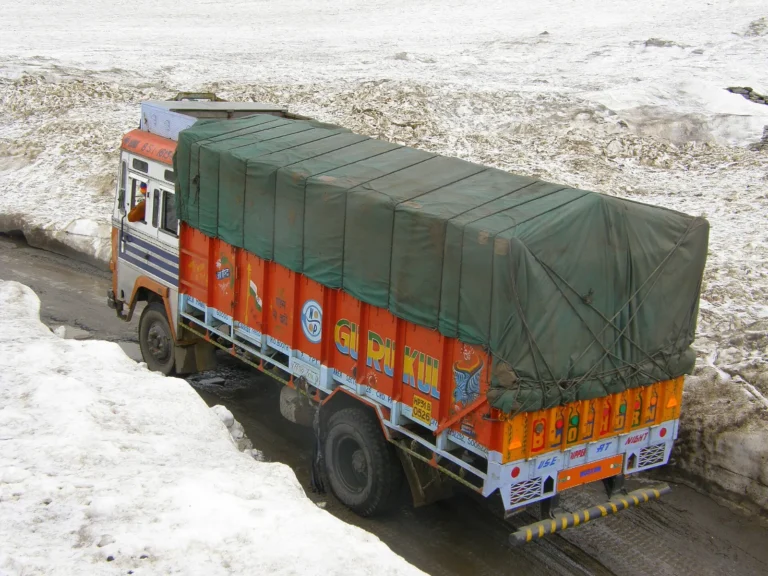
Reefer Telematics: Tracking Apples from Himachal to Azadpur
On the Narkanda-to-Azadpur apple lane, telematics only helps if it captures the hill section and produces evidence buyers accept. Here is what to instrument and how to build a delivered-temperature record.
Read the brief →Ask for today’s rate
Choose the product, quantity (minimum 100 boxes for apples, 2 MT for other produce) and delivery city. Our desk replies on WhatsApp with the latest wholesale rate and dispatch slot.
- +91 90153 16162
- Voice
- +91 94599 98982
- info@bulkybusiness.com
- Desks
- Azadpur · Vashi · Nashik · Narkanda