
Cold, measured. Not assumed.
Controlled-atmosphere storage, rapid pre-cooling and telematics-tracked reefers — so produce arrives at the temperature it was promised.
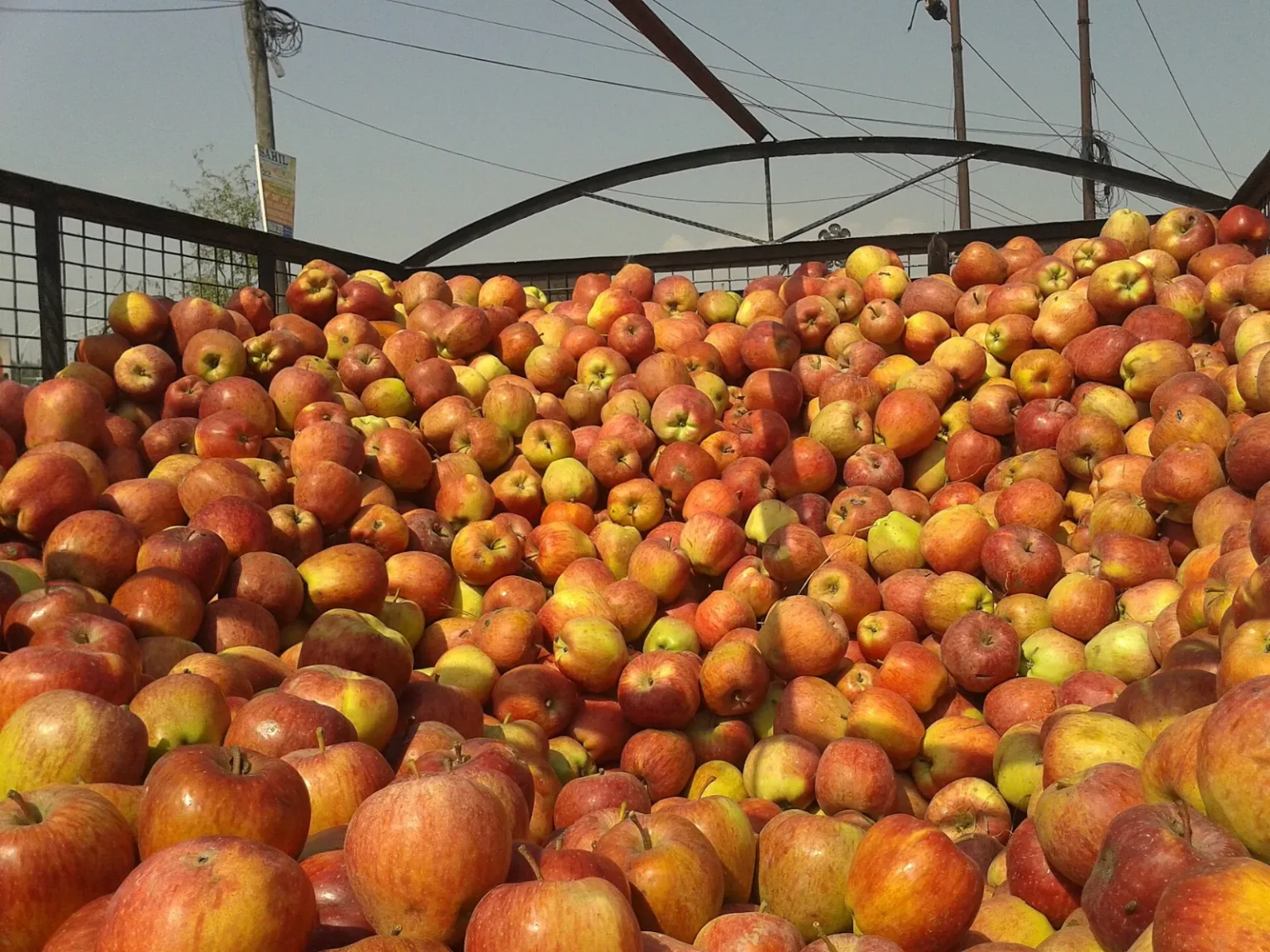
1.5% O₂. 1.0% CO₂. Near zero degrees.
Lowering oxygen and holding carbon dioxide slows respiration and ethylene action, extending apple storage life by months versus regular cold storage.
1.5% O₂
Low enough to slow respiration; monitored to avoid low-O₂ fermentation.
1.0% CO₂
Scrubbed and held to avoid CO₂ injury in sensitive lots.
0–1 °C
Pome-fruit hold temperature at 90–95% relative humidity.
Scrubbed
Removal and inhibition strategies reduce ripening signals in store.
Every reading, on the record.
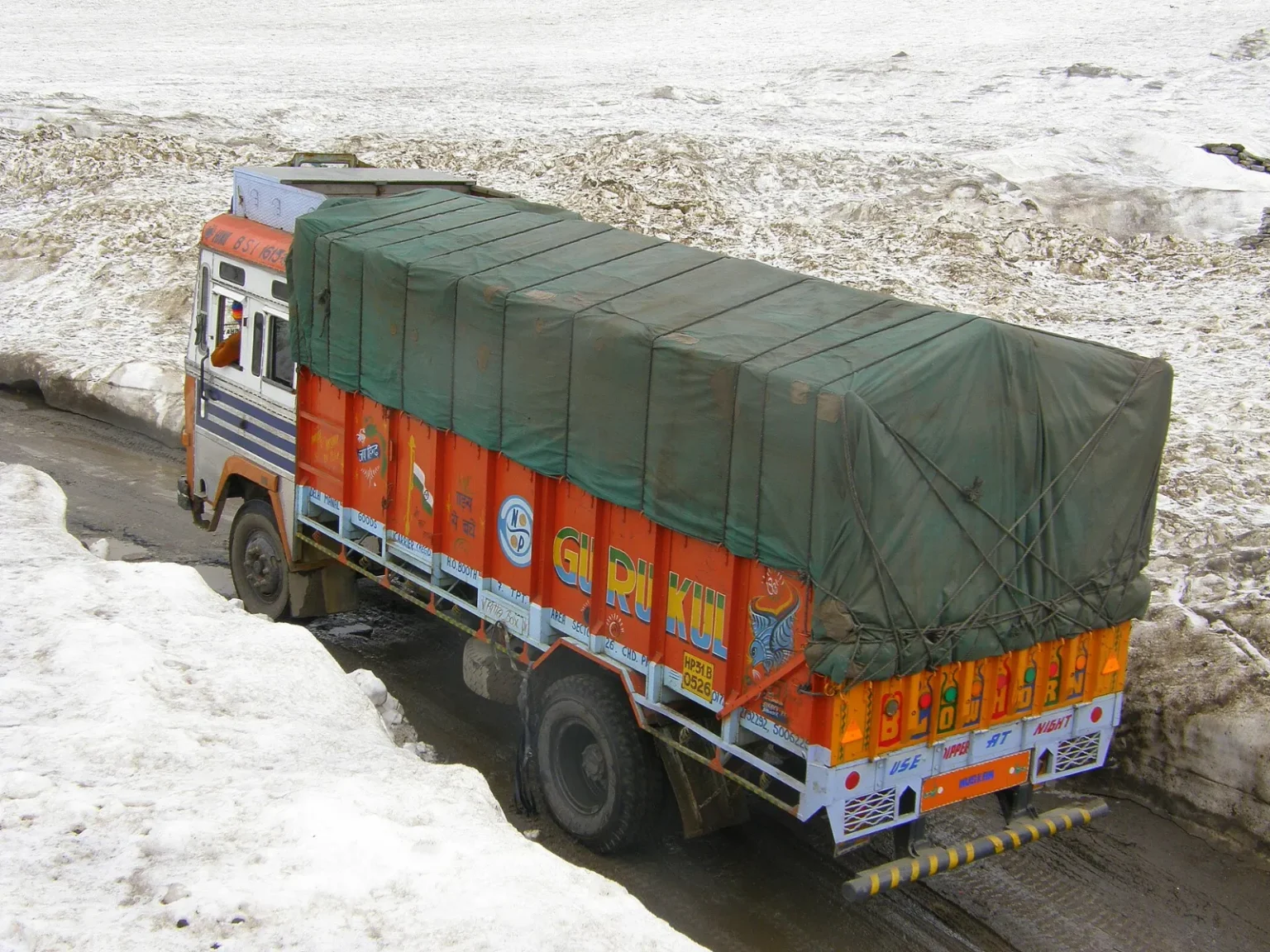
Reefers are tracked for GPS position, return-air temperature and door openings. Alerts trigger when temperature drifts outside the commodity band, and the full trip log is available as delivery evidence.
- GPS position and route adherence
- Return/supply-air temperature logging
- Door-open events at each stop
- Shareable trip log on handover
The four-hour window.
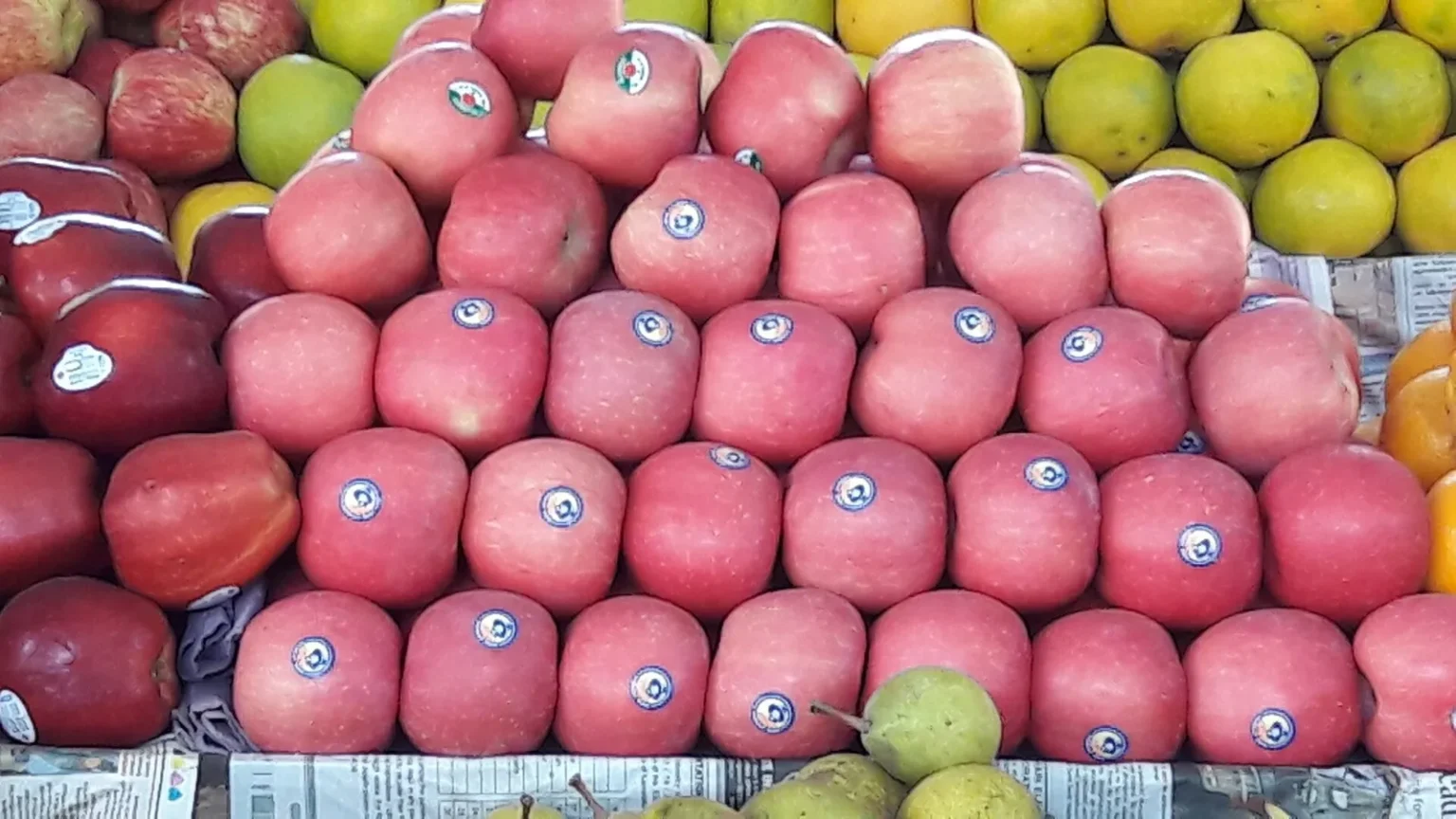
Field heat is removed at origin with forced-air cooling before the load ever meets a reefer. Reefers maintain temperature; they are not built to pull it down.
Read the pre-cooling briefCommodity transit bands.
| Commodity | Transit | RH | Ethylene role |
|---|---|---|---|
| Apples | 1–4 °C | 90–95% | High producer |
| Citrus | 5–8 °C | 85–90% | Low |
| Bananas (green) | 13–14 °C | 90–95% | Sensitive |
| Tomatoes (breaker) | 10–13 °C | 85–90% | Producer & sensitive |
| Potatoes (processing) | 8–12 °C | 90–95% | Sprouting risk |
| Onions | Ventilated / 0–2 °C | 65–70% | Low |
Cold-chain engineering briefs.
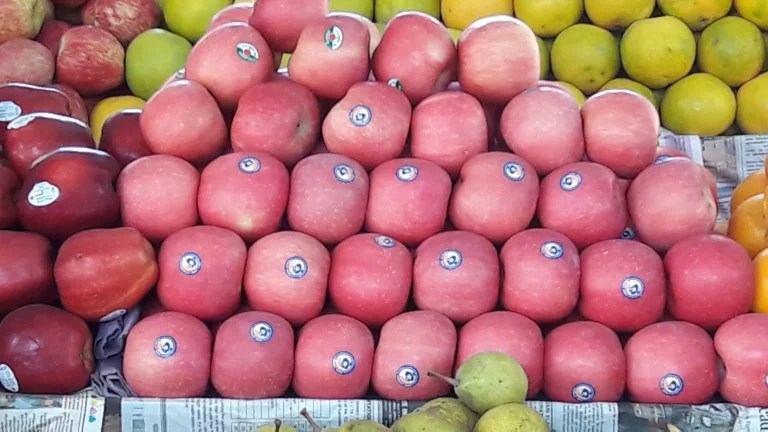
Pre-Cooling Window: Why the First 4 Hours Decide Shelf Life
Field heat removed in the first few hours after harvest protects more shelf life than any later cold storage. Here is how 7/8 cooling time, cooling methods and pack-house layout fit together. Careful handling matters most for Kinnaur storage apples held for later sale.
Read the brief →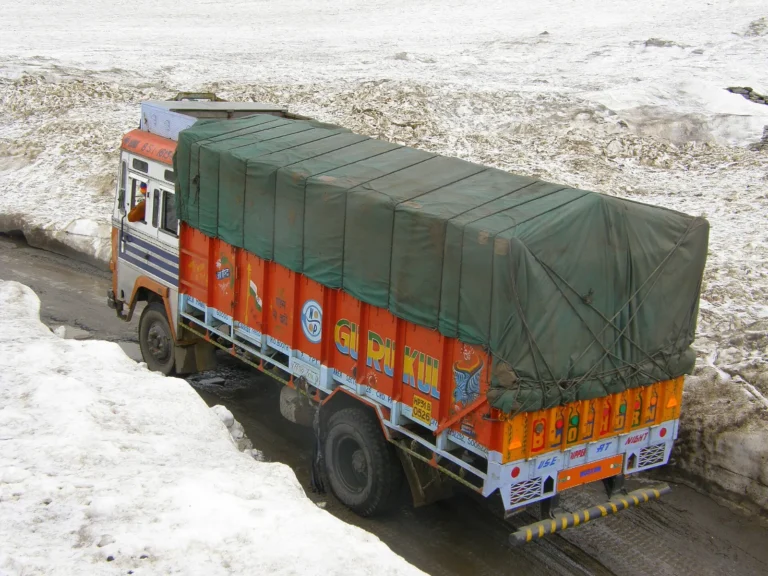
Reefer Telematics: Tracking Apples from Himachal to Azadpur
On the Narkanda-to-Azadpur apple lane, telematics only helps if it captures the hill section and produces evidence buyers accept. Here is what to instrument and how to build a delivered-temperature record.
Read the brief →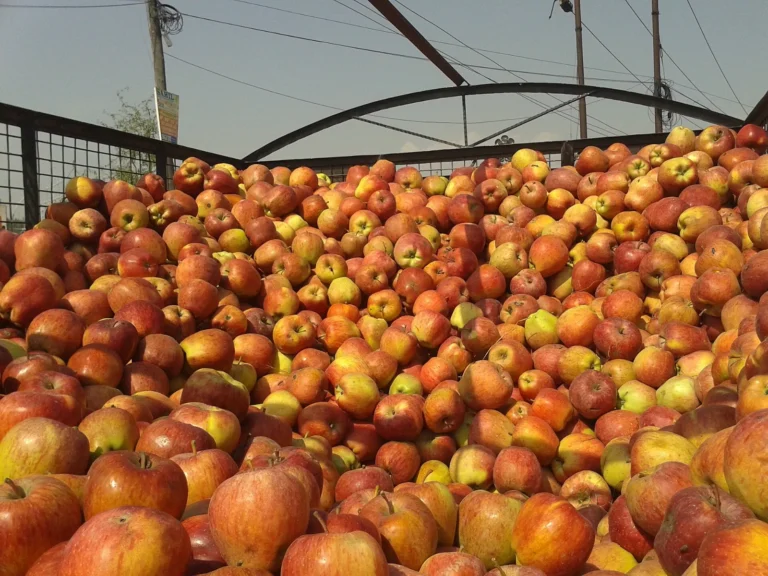
CA Storage Ethylene Control: Chemistry, 1-MCP and Scrubbers
Controlled-atmosphere storage works by suppressing ethylene production and response. Here is the chemistry behind low O2, high CO2, 1-MCP and ethylene scrubbers, with commodity thresholds and mixed-load rules.
Read the brief →What CA settings do you use for apples?
Our Delicious apple programme runs around 1.5% O₂ and 1.0% CO₂ near 0–1 °C. Settings are adjusted by cultivar, maturity and storage duration, and fruit is checked for firmness before release.
Can I see temperature data for my load?
Yes. Reefers carry GPS and temperature logging. On request we share the trip log with position, return-air temperature and door events from loading to handover. See how apple truck loading works, from grading to dispatch.
Why does pre-cooling matter?
Field heat drives respiration and water loss. Removing it quickly after harvest, ideally within about four hours, slows ageing and protects shelf life far more than cold transit alone.
Book cold-chain capacity
Tell us origin, destination, commodity and tonnage. The desk confirms reefer availability, set-point and loading window.
- +91 90153 16162
- Voice
- +91 94599 98982
- info@bulkybusiness.com
- Desks
- Azadpur · Vashi · Nashik · Narkanda